In the pursuit of a healthier lifestyle, the kind of fat we use for cooking plays a crucial role. While both ghee and vegetable oils are common in Indian kitchens, the two couldn’t be more different in terms of nutritional value, processing methods, and long-term health effects.
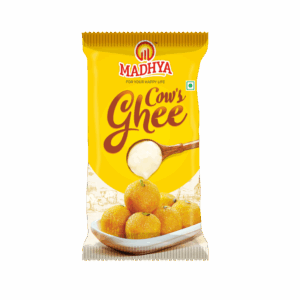
Let’s dive deep into the Ghee vs Vegetable Oil debate and uncover which fat truly deserves a place in your daily diet — especially when brands like Madhya Desi Ghee are bringing back the authentic, handcrafted Bilona ghee that India once swore by.
1. Understanding the Basics: What Are Ghee and Vegetable Oil?
Ghee is a type of clarified butter made from pure cow’s milk. In traditional Indian households, it is prepared by churning curd to make butter and then heating it slowly to obtain golden, aromatic ghee. This followed by brands like Madhya Desi Ghee, preserves all the natural nutrients and ensures the product remains chemical-free.
On the other hand, vegetable oil is produced from seeds like soybean, sunflower, or canola through industrial extraction and refining processes. The high heat and chemicals used during refinement strip away natural vitamins and antioxidants, leaving behind a neutral-tasting oil with fewer health benefits.
2. Nutritional Breakdown: Ghee vs Vegetable Oil
When we compare ghee vs vegetable oil, the difference in their nutrient content becomes striking.
Ghee Contains:
Healthy saturated fats
Omega-3 and Omega-9 fatty acids
Vitamins A, D, E, and K
Antioxidants and butyric acid
Zero trans fats
Vegetable Oils Contain:
Mostly polyunsaturated fats (PUFAs)
High levels of Omega-6 fatty acids
Often small amounts of trans fats (from processing)
Traces of chemical residues from refining
While vegetable oils may seem lighter, excessive omega-6 fatty acids can lead to inflammation and imbalance in the body. Ghee, on the other hand, offers stable fats that promote nutrient absorption and gut health.
3. The Ayurvedic Perspective: Why Ghee Is a Healing Fat
In Ayurveda, ghee is considered a “sattvic” food — pure, energizing, and balancing for body and mind. It nourishes the tissues, strengthens immunity, and aids digestion. Ayurvedic practitioners have long recommended a spoon of ghee daily for improving skin glow, mental clarity, and joint flexibility.
Vegetable oils, however, have no such traditional or medicinal significance. Their introduction into Indian kitchens is relatively recent, and their overuse is often linked to rising lifestyle diseases such as heart issues and obesity.
-

Madhya Tin 5 Litre
Read moreMadhya Tin 5 LitreAugust 20, 2025 -
Madhya Tin 15 kg
Read moreMadhya Tin 15 kgAugust 20, 2025 -
Madhya pouch ₹20
Read moreMadhya pouch ₹20August 20, 2025 -
Madhya Jar 500ml
Read moreMadhya Jar 500mlAugust 20, 2025 -
Madhya Jar 200ml
Read moreMadhya Jar 200mlAugust 20, 2025


4. Cooking Stability: The Smoke Point Factor
A major deciding factor when choosing cooking fat is its smoke point — the temperature at which fat starts to break down and release harmful compounds.
Ghee: ~250°C
Vegetable Oil: ~200°C
Because ghee has a higher smoke point, it remains stable under heat, making it ideal for deep frying, sautéing, or roasting. Vegetable oils, by contrast, oxidize more quickly, releasing free radicals that can damage cells and contribute to inflammation.
5. Digestive Health: Ghee Promotes Gut Wellness
Pure cow ghee contains butyric acid, a short-chain fatty acid that supports gut lining health, aids digestion, and helps reduce inflammation. This natural compound also improves nutrient absorption from other foods.
Vegetable oils, especially refined ones, lack this property and can even slow down digestion when used excessively. That’s why many nutritionists now recommend switching back to ghee for better metabolism and digestive balance.
6. Heart Health: The Real Story
For years, fats like ghee were wrongly blamed for increasing cholesterol. Modern research now paints a different picture. When consumed in moderation, desi cow ghee actually helps maintain healthy cholesterol levels due to its presence of good fats and conjugated linoleic acid (CLA).
Refined oils, especially those high in omega-6, can disrupt the body’s natural lipid balance, increasing inflammation and cardiovascular risk. So, the next time you’re choosing between ghee vs vegetable oil, remember — not all fats are bad. The right kind of fat matters more.
7. Taste, Aroma, and Cooking Experience
Nothing compares to the rich flavor and aroma of pure cow ghee. It enhances the taste of Indian dishes, from rotis to dal and sweets. Ghee also adds a creamy texture and brings out deeper flavors when cooking.
Vegetable oils, on the other hand, have a neutral taste that lacks depth. They don’t contribute much to the flavor profile and often make food feel heavier after cooking.
8. Sustainability and Purity: Traditional Wins Again
Brands like Madhya Desi Ghee are reviving the Bilona churning method, ensuring every batch of ghee remains 100% natural, free from preservatives, and made from the milk of grass-fed Indian cows.
Vegetable oils, however, involve large-scale industrial farming and chemical processing that negatively impact the environment. Choosing ghee supports sustainable dairy practices and keeps traditional Indian food culture alive.