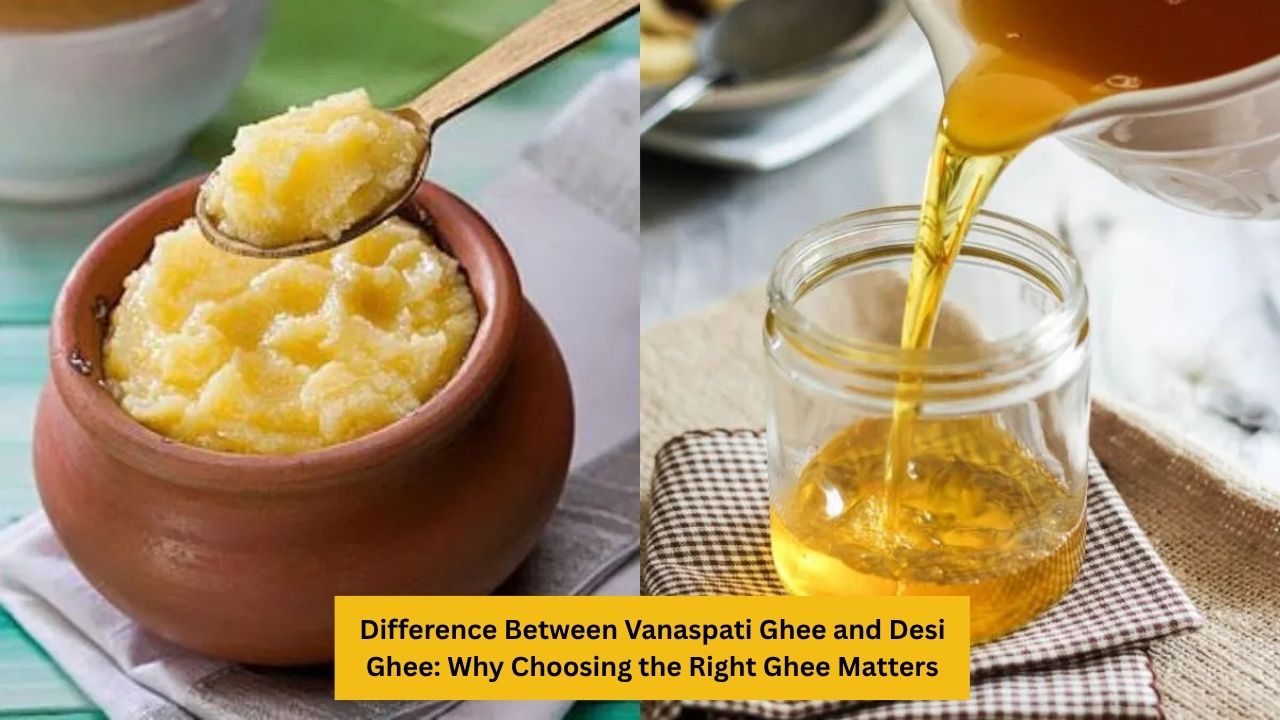
In every Indian kitchen, ghee holds a sacred place — not just as a cooking ingredient but as a symbol of health, purity, and tradition. However, in today’s fast-paced world, the market is flooded with various types of ghee, including Vanaspati Ghee and Desi Ghee.
While both look similar at first glance, they are vastly different in terms of ingredients, production process, taste, and — most importantly — their impact on health.
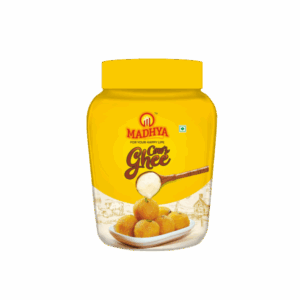
If you’re wondering which one is better for you and your family, this guide by Madhya Ghee explains everything you need to know about the difference between Vanaspati and Desi Ghee — and why Madhya Desi Ghee stands out as the healthiest, most authentic choice.
What Is Desi Ghee?
Desi Ghee — also known as Cow Ghee — is a traditional form of clarified butter made from the milk of indigenous Indian cows such as Gir and Sahiwal. It is produced using the curd-churning (Bilona) method, where milk is boiled, set into curd, churned into butter using a wooden bilona, and then gently heated to extract golden, aromatic ghee.
Key Features of Desi Ghee:
Made from milk of desi cows
Prepared through natural fermentation and slow heating
Rich in butyric acid, CLA, and vitamins A, D, E, and K
Has a granular texture, nutty aroma, and rich flavor
100% natural, free from chemicals, preservatives, and trans fats
Desi Ghee is considered a superfood in Ayurveda — nourishing body, mind, and soul. It promotes digestion, boosts immunity, and supports glowing skin, strong joints, and a healthy heart.
What Is Vanaspati Ghee?
Vanaspati Ghee is not real ghee. It is a hydrogenated vegetable oil that mimics the texture and appearance of ghee. Introduced as a cheaper alternative to Desi Ghee, Vanaspati is made by processing vegetable oils (like palm oil or soybean oil) with hydrogen gas, turning them semi-solid.
This process creates trans fats — harmful compounds that can increase bad cholesterol, cause heart issues, and affect digestion.
Key Features of Vanaspati Ghee:
Made from vegetable oils, not milk
Produced using hydrogenation (industrial process)
Contains trans fats and artificial flavoring
Long shelf life but poor nutritional value
Low-cost substitute for ghee, not suitable for health-conscious use
While Vanaspati may look like ghee and even smell similar (due to added flavoring), it lacks all the nutritional and Ayurvedic benefits of pure Desi Ghee.
Vanaspati Ghee vs Desi Ghee: Detailed Comparison
| Aspect | Desi Ghee (Madhya Ghee) | Vanaspati Ghee |
|---|---|---|
| Source | Made from milk of desi cows | Made from hydrogenated vegetable oils |
| Production Method | Traditional Bilona (Curd → Butter → Ghee) | Industrial hydrogenation process |
| Nutritional Value | High in vitamins, healthy fats, CLA | Lacks vitamins, contains trans fats |
| Digestibility | Easy to digest, improves gut health | Hard to digest, can cause acidity |
| Flavor & Texture | Nutty, aromatic, granular | Waxy, artificial taste and texture |
| Shelf Life | Naturally stable without preservatives | Extended using chemicals |
| Ayurvedic Value | Highly recommended for healing | Not recognized in Ayurveda |
| Impact on Health | Boosts metabolism, immunity, and heart health | Linked to cholesterol and heart issues |
| Price | Premium due to natural process | Cheaper industrial product |
-

Madhya Tin 5 Litre
Read moreMadhya Tin 5 LitreAugust 20, 2025 -
Madhya Tin 15 kg
Read moreMadhya Tin 15 kgAugust 20, 2025 -
Madhya pouch ₹20
Read moreMadhya pouch ₹20August 20, 2025 -
Madhya Jar 500ml
Read moreMadhya Jar 500mlAugust 20, 2025 -
Madhya Jar 200ml
Read moreMadhya Jar 200mlAugust 20, 2025

Why Desi Ghee Is the Healthier Choice
When it comes to your family’s health, Desi Ghee wins hands down. Here’s why:
1. Rich in Nutrients
Madhya A2 Ghee contains essential fatty acids, fat-soluble vitamins (A, D, E, K), and antioxidants that nourish the body from within.
2. Easy to Digest
The butyric acid in Desi Ghee supports gut health and improves digestion, unlike Vanaspati, which can cause heaviness or bloating.
3. Heart and Brain Health
Contrary to myths, moderate consumption of pure Desi Ghee can actually improve heart health by increasing good cholesterol (HDL) and supporting brain function.
4. Ayurvedic Superfood
Ayurveda calls Desi Ghee a “sattvic” food — pure, energizing, and healing. It balances the three doshas (Vata, Pitta, Kapha) and enhances vitality.
5. Natural & Chemical-Free
Unlike Vanaspati, Madhya Ghee is free from hydrogenation, trans fats, and artificial additives, ensuring complete purity.
Health Risks of Vanaspati Ghee
Switching to Madhya Ghee isn’t just a lifestyle trend — it’s a decision that supports long-term wellness. Here’s how it benefits your body:
1. Supports Digestive Health
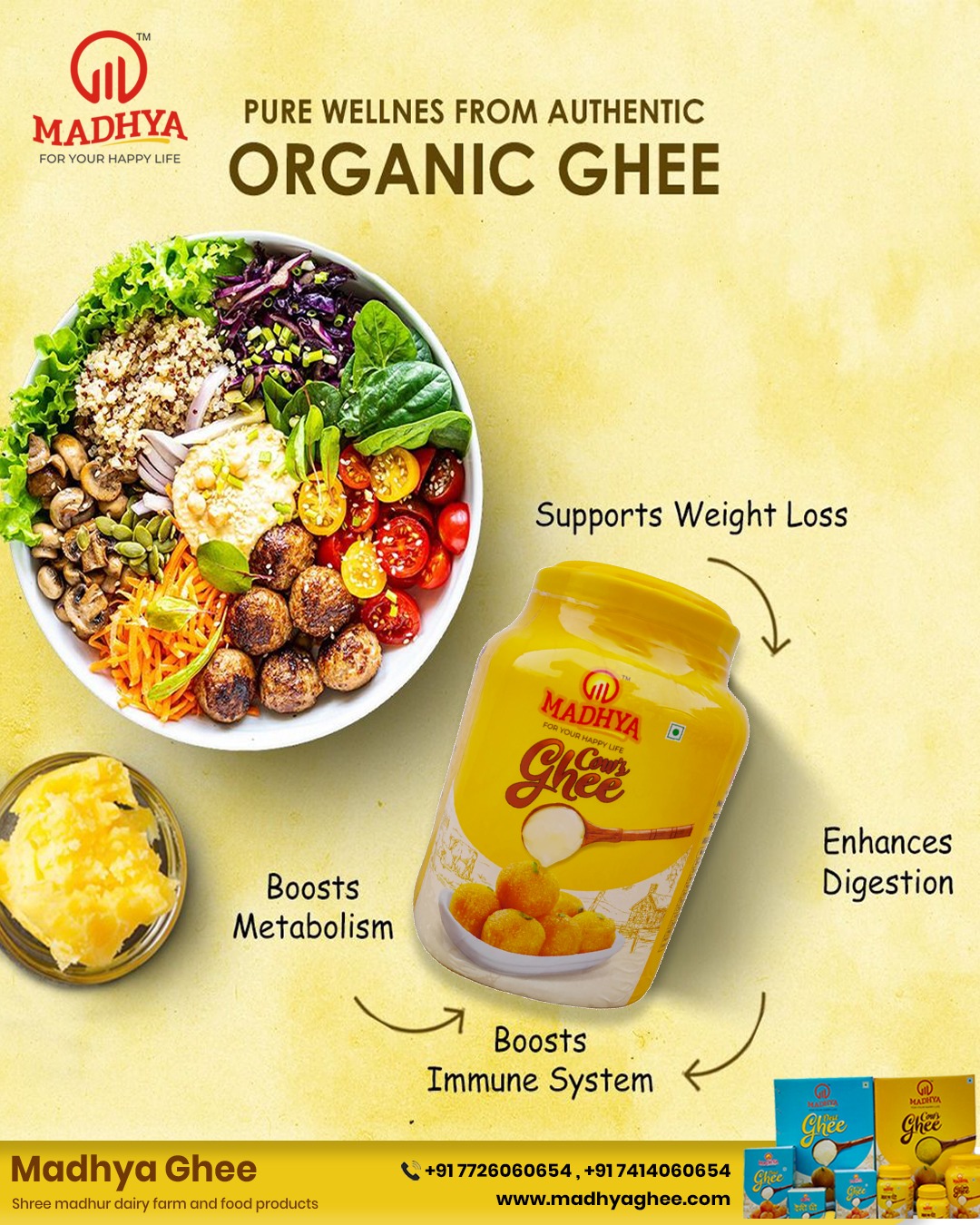
Rich in butyric acid, A2 ghee nourishes gut cells and promotes smooth digestion. It helps reduce acidity, bloating, and constipation naturally.
2. Boosts Immunity
Loaded with fat-soluble vitamins, it strengthens your immune system and improves your body’s defense against infections.
3. Improves Skin & Hair
The healthy fats and antioxidants in Madhya Ghee hydrate your skin, add glow, and promote healthy, shiny hair from within.
4. Enhances Mental Clarity
Ayurveda associates ghee with improved focus, memory, and calmness. Adding it to your diet or morning rituals enhances cognitive performance.
5. Promotes Heart Health
Contrary to old myths, moderate ghee consumption supports a healthy heart by balancing good cholesterol levels and reducing inflammation.
6. Helps in Weight Management
The CLA and medium-chain fatty acids in A2 ghee boost metabolism, aiding fat burn while keeping you satiated for longer.
Sustainability and Purity: The Madhya Promise
While Vanaspati Ghee is cheaper, it comes with serious health drawbacks that can’t be ignored.
Contains Trans Fats: These fats raise LDL (bad cholesterol) and lower HDL (good cholesterol), increasing the risk of heart disease.
Promotes Inflammation: Regular intake can lead to chronic inflammation, fatigue, and digestive disorders.
Lacks Nutrients: It provides calories but no real nutrition — no vitamins, enzymes, or healthy fats.
Impairs Digestion: Its artificial nature makes it heavy and difficult for the body to process.
Linked to Lifestyle Diseases: Long-term consumption has been associated with obesity, high blood pressure, and diabetes.
In short, Vanaspati ghee is an imitation — not a nourishment.
Ayurvedic View: Why Desi Ghee Is a Healing Fat
Ayurveda refers to Desi Ghee as “Amrita” — meaning nectar. It’s more than food; it’s medicine. According to ancient Ayurvedic texts, ghee strengthens Agni (digestive fire), improves Ojas (immunity), and nourishes all body tissues.
Desi Ghee is used in:
Panchakarma therapies for detoxification
Nasya (nasal application) for mental clarity
Abhyanga (body massage) for rejuvenation
Medicinal formulations as a base for herbs
Meanwhile, Vanaspati Ghee has no place in Ayurveda — its artificial composition goes against natural healing principles.
How to Use Madhya Ghee in Daily Life
Desi Ghee fits beautifully into your modern lifestyle. You can:
Add it to dal, rice, or chapati for enhanced flavor
Use it for tadka or sautéing instead of refined oil
Mix a spoon in warm milk before bed for better digestion
Apply on skin and lips for natural hydration
Include it in daily rituals like meditation or prayer
With its rich aroma and health benefits, Madhya Ghee is your perfect everyday companion — from kitchen to wellness.